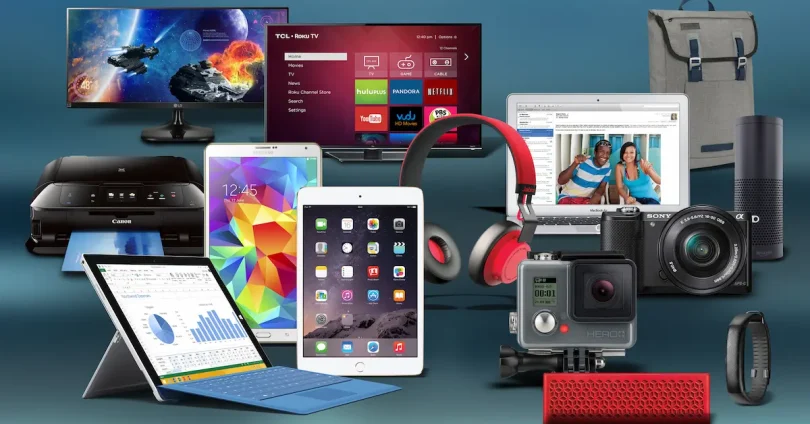

Buying new technology can be exciting, but it can also feel overwhelming. With so many brands, models, features, and price ranges available, choosing the right device is not always easy. Whether you are shopping for a smartphone, laptop, smartwatch, headphones, or smart home device, making the wrong choice can lead to wasted money and disappointment. tech buying guide
Technology is constantly evolving, and new models are launched every year with upgraded features and improved performance. Without proper research, you might end up paying for features you do not need or missing out on better options within your budget. That is why having a clear and practical tech buying guide is important before making any purchase.
This guide will help you understand what to look for, how to compare products, and how to choose technology that fits your needs and budget. By the end of this article, you will feel confident and informed when buying your next tech product.
Identify Your Needs Tech Buying Guide
Before spending any money on a new gadget, it’s important to understand why you need it. Identifying your needs helps you focus on the right features, avoid overspending, and get a device that truly fits your lifestyle.
1. Determine the Purpose
Ask yourself:
- Will I use this device for work, school, or business?
- Is it primarily for gaming, streaming, or entertainment?
- Do I need it for everyday tasks like browsing, calling, or messaging?
Knowing the primary purpose ensures you don’t buy a high-end device for tasks that don’t require it, or a budget gadget that can’t handle your needs.
2. Consider Your Usage Frequency
Think about how often you’ll use the device:
- Daily use: Prioritize durability, battery life, and ease of use.
- Occasional use: You might not need the latest or most expensive model.
3. Identify Must-Have Features
Make a list of features that are essential for your lifestyle. For example:
- A student might need a lightweight laptop with long battery life.
- A content creator might need a high-resolution camera or powerful processor.
- A gamer will prioritize high graphics performance and fast refresh rates.
4. Consider Future Needs
Think ahead about how your usage might change over the next 2–3 years. Choosing a device that can handle future tasks can save money and frustration.
By taking the time to understand your needs, you can narrow down your options and focus on devices that will truly serve you. This step lays the foundation for smarter tech purchases.
you may also like to read these posts;
What is Machine Learning: Types, Applications & Benefits Explained
How 5G Technology Works: Speed, Features & Benefits Explained
How Blockchain Works: Simple and Clear Guide
What is Artificial Intelligence: A Simple Beginner’s Guide
Electronics Buying Tips: How to Choose the Best Devices
Research the Latest Technology

Once you’ve identified your needs, the next step is to research the latest technology. This step ensures you get a device that performs well, lasts longer, and provides good value for your money.
1. Understand Product Specifications
Every tech gadget comes with a set of specifications, but they can be confusing if you’re not familiar with them. Here’s what to look for by category:
- Smartphones: processor speed, RAM, internal storage, camera quality, display type (LCD vs OLED), battery life, software updates
- Laptops: CPU (Intel vs AMD), RAM, storage (SSD vs HDD), graphics card, display resolution, battery life, weight and portability
- Tablets and e-readers: screen size, storage, battery life, and app compatibility
- Smart Home Devices: compatibility with other devices, connectivity (Wi-Fi, Bluetooth, Zigbee), security features, voice assistant support
Make a list of your must-have specifications and compare them across different models. This helps you focus on devices that actually meet your needs.
2. Read Reviews and Ratings
User reviews give a real-world perspective on how a device performs. Focus on:
- Reviews from verified buyers to get trustworthy opinions
- Common problems or recurring issues, like battery draining fast or software bugs
- Positive highlights that match what you need, like excellent camera quality for photographers
Video reviews and demonstrations on platforms like YouTube can also show how a product works in real life. Seeing a device in action helps you understand features better than just reading specs.
3. Compare Multiple Models
Don’t rush into buying the first option you find. Compare:
- Features and specifications side by side
- Price differences to identify the best value
- Extra perks like bundled accessories, software, or extended warranties
Make a simple comparison chart for yourself to visualize differences clearly. Even just a table with pros, cons, and price can save you from making a hasty decision.
4. Stay Updated on New Releases
Technology evolves rapidly, so being aware of the latest releases can save you from buying outdated devices:
- Follow manufacturer websites and newsletters for upcoming models
- Subscribe to tech blogs or YouTube channels for release news and reviews
- Join forums or online communities to see early user feedback
Sometimes, waiting a few weeks for a new release can get you better technology for the same price, or help you find a previous model at a discounted rate.
5. Look for Real-Life Use Cases
Researching isn’t just about specs. Check how people actually use the device in real scenarios:
- Gamers sharing gameplay experiences for consoles or laptops
- Photographers testing smartphone cameras in different lighting conditions
- Homeowners reviewing smart home devices for security or automation
This approach helps you understand if the device will actually meet your expectations. Tech Buying Guide
6. Make a Shortlist
After researching, create a shortlist of 2–3 devices that fit your budget, needs, and preferences. This makes the next steps—like comparing prices, warranties, and accessories—much easier and more efficient. Tech Buying Guide
By investing time in thorough research, you’ll make a smarter, more confident purchase, avoid common mistakes, and get a device that truly serves your needs.
Set a Budget
After identifying your needs and researching the latest technology, the next step is to set a realistic budget. Knowing how much you’re willing to spend helps narrow your options, avoid overspending, and get the best value for your money.
1. Determine Your Spending Limit
Think about how much you can comfortably spend without compromising other priorities. Your budget will depend on:
- The type of device (smartphone, laptop, gaming console, smart home device)
- How often you plan to upgrade Tech Buying Guide
- Whether you’re willing to invest in premium features or prefer mid-range options Tech Buying Guide
Having a clear spending limit prevents you from falling for marketing hype or impulse buys. Tech Buying Guide
2. Balance Cost and Features
The most expensive device isn’t always the best, and the cheapest option may lack essential features. Focus on value over price:
- Mid-range devices often provide the best balance between performance and cost Tech Buying Guide
- High-end devices are worth it if you need advanced features or longevity
- Budget devices can be suitable for basic tasks but may have limitations in speed, storage, or updates Tech Buying Guide
3. Factor in Additional Costs
Don’t forget that the device itself isn’t the only expense. Consider:
- Accessories: cases, chargers, headphones, adapters
- Software or subscriptions: apps, antivirus, cloud storage
- Extended warranty or insurance Tech Buying Guide
Adding these costs to your budget ensures you won’t be surprised after your purchase.
4. Look for Deals and Offers
If you’re flexible, you can stretch your budget further by:
- Watching for seasonal sales (Black Friday, back-to-school, holiday sales)
- Comparing prices online and offline stores Tech Buying Guide
- Checking for refurbished or certified pre-owned devices from trusted sellers
Sometimes waiting for a sale can save hundreds of dollars without compromising quality. Tech Buying Guide
5. Prioritize What Matters Most
If your budget is limited, focus on the features that are most important for your needs. For example:
- Gamers: prioritize graphics and processing power over extra storage
- Photographers: prioritize camera quality over battery life
- Students: prioritize battery life and portability over high-end specifications
By clearly defining your budget and priorities, you’ll make smarter choices, avoid overspending, and get the most value from your tech purchase.
Consider Brand Reputation and Warranty

When buying tech, the brand and warranty can make a big difference in your experience and peace of mind. Choosing the right brand and understanding the warranty ensures reliability, support, and protection for your investment. Tech Buying Guide
1. Why Brand Matters
Some brands are known for producing reliable devices, offering regular software updates, and providing excellent customer service. Consider:
- Established brands often have better quality control and durability
- Lesser-known brands might offer lower prices but can vary in performance
- Reviews and user feedback can reveal whether a brand is trustworthy
Choosing a reputable brand reduces the risk of defects, poor performance, or compatibility issues.
2. Check Warranty and Support
A warranty protects you if the device malfunctions or has defects. When comparing devices, look for:
- Length of warranty: standard is usually 1 year, but some brands offer longer coverage Tech Buying Guide
- Coverage details: check if it covers parts, labor, and accidental damage
- Ease of claiming warranty: some brands have simple online claim processes, while others require store visits Tech Buying Guide
Good after-sales support ensures problems are resolved quickly without extra costs.
3. Consider Software Updates and Longevity
For devices like smartphones, laptops, or smart home gadgets:
- Brands that provide regular software updates keep your device secure and functional for longer Tech Buying Guide
- Devices from reliable brands tend to maintain performance over time, reducing the need for early replacement
4. Research Brand Reputation
You can research brand reputation by:
- Reading user reviews on e-commerce sites or tech forums
- Watching YouTube or tech blog reviews comparing brands
- Checking ratings for customer service and product reliability
5. Balance Brand with Budget
While brand is important, it should also fit within your budget. Sometimes, a lesser-known brand may offer similar features at a lower price, but ensure it has good reviews and a solid warranty. Tech Buying Guide
By considering brand reputation and warranty, you protect your investment, reduce stress, and get a device that lasts longer while performing reliably. Tech Buying Guide
Should I always buy the latest tech?
Not necessarily. The newest models often come with advanced features, but you may not need them. Focus on your needs, budget, and value for money. Older models can still perform well and are often cheaper.
How important is brand reputation?
Brand reputation is important because it often reflects product quality, durability, and customer support. However, always check reviews and specifications—some lesser-known brands may offer excellent devices at a lower price.
Can I upgrade my device later?
It depends on the device. Laptops and desktops often allow upgrades to RAM, storage, or graphics cards. Smartphones and tablets usually have limited upgrade options, so choose wisely from the start.
Conclusion
Buying tech doesn’t have to be confusing or stressful. By following a step-by-step approach, you can make smart, informed decisions that fit your needs, budget, and lifestyle. Start by identifying what you truly need, research the latest technology, and set a realistic budget. Consider the brand reputation and warranty, evaluate key features, and compare products carefully.
Remember to read reviews, check compatibility, and plan for the future to ensure your device stays useful for years. With careful research and thoughtful choices, you’ll get the best value, avoid unnecessary mistakes, and enjoy your new gadgets with confidence.
Take your time, make informed decisions, and turn your tech purchases into smart investments that truly enhance your life.