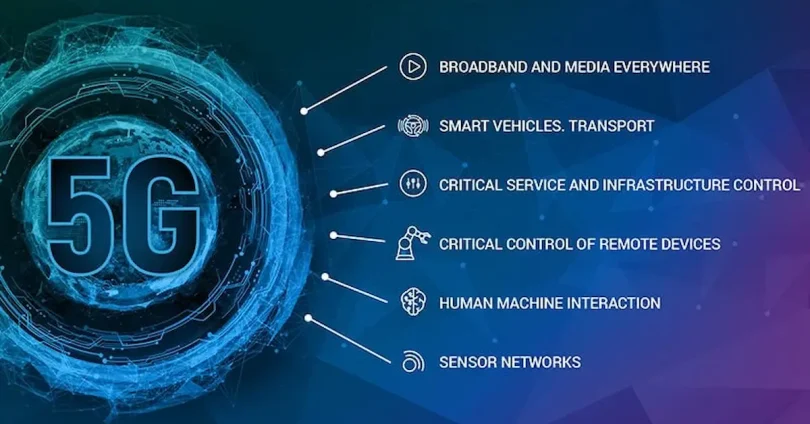

5G technology is the fifth generation of mobile networks. It is the newest upgrade after 1G, 2G, 3G, and 4G LTE. 5G is designed to provide much faster internet speeds, lower latency, and more reliable connections than previous generations. It is not just about faster downloads — it is about creating a smarter and more powerful wireless network that can support modern digital needs.
The global standards for 5G were developed by the 3rd Generation Partnership Project (3GPP), which creates technical standards for mobile communication systems worldwide. 5G networks began rolling out globally around 2019 and are still expanding across many countries. how 5g technology works
One of the biggest reasons for introducing 5G is the rapid growth of internet-connected devices. Today, billions of devices such as smartphones, tablets, smart home systems, and IoT devices rely on wireless networks. 4G networks were not built to handle this massive demand efficiently. 5G improves network capacity so more devices can connect at the same time without slowing down.
Evolution of Mobile Networks (1G to 5G)
Mobile network technology has improved step by step over the years. Each new generation solved problems from the previous one and introduced better speed, quality, and features. Understanding this evolution helps explain why 5G is such an important upgrade.
1G – First Generation (1980s)
1G was the first wireless mobile network. It was introduced in the 1980s and only supported voice calls. The signals were analog, which meant call quality was low and security was weak. There was no texting or internet access at this stage.
2G – Second Generation (1990s)
2G brought digital communication. This improved call quality and security. It also introduced SMS (text messaging) and MMS. For the first time, people could send text messages using their mobile phones. Basic internet services like GPRS and EDGE were later added, but speeds were very slow.
3G – Third Generation (2000s)
3G made mobile internet practical. Users could browse websites, send emails, and make video calls. Internet speed improved significantly compared to 2G. Smartphones became more popular during the 3G era because apps and online services started growing.
4G LTE – Fourth Generation (2010s)
4G LTE brought high-speed internet to mobile devices. It allowed HD video streaming, online gaming, social media apps, and fast downloads. Latency was lower, and network performance was more stable. Most modern apps were designed to work smoothly on 4G networks.
5G – Fifth Generation (Present and Future)
5G is the latest and most advanced generation. It offers:
- Much faster speeds than 4G How 5G Technology Works
- Very low latency (almost instant response time) How 5G Technology Works
- Support for millions of connected devices How 5G Technology Works
- Better reliability and network efficiency How 5G Technology Works
Unlike previous generations, 5G is not only designed for smartphones. It also supports smart cities, autonomous vehicles, industrial automation, remote healthcare, and the Internet of Things (IoT).
In short, each mobile generation improved communication technology step by step. 5G represents the biggest leap so far because it focuses on speed, capacity, and real-time connectivity for the future digital world. How 5G Technology Works
Core Technologies Behind 5G
5G is much faster and smarter than previous mobile networks because it uses advanced technologies that improve speed, reduce delay, and support a large number of connected devices. These technologies work together to create a powerful and efficient wireless system. How 5G Technology Works
1. Different Frequency Bands
5G uses different radio frequency bands to transmit data. These bands are divided into low-band, mid-band, and high-band spectrum. Low-band provides wide coverage but moderate speeds and is useful for rural and large areas. Mid-band offers a balance between speed and coverage and is commonly used in cities. High-band, also known as millimeter wave, delivers extremely fast speeds but works over short distances. By combining these frequency bands, 5G can provide both wide coverage and high performance. How 5G Technology Works
2. Small Cell Technology
Unlike 4G networks that mostly depend on large cell towers, 5G uses small cell stations placed on buildings, poles, and streetlights. These small cells help improve coverage and reduce network congestion in crowded areas. Because high-frequency signals cannot travel far, many small cells are installed close to each other to ensure strong and stable connectivity. How 5G Technology Works
3. Massive MIMO (Multiple Input, Multiple Output)
Massive MIMO is a key technology used in 5G networks. It uses many antennas to send and receive data at the same time. This increases network capacity and allows more users to connect without slowing down the speed. Compared to 4G, Massive MIMO makes data transmission more efficient and improves overall performance.
4. Beamforming Technology
Beamforming allows 5G antennas to send signals directly toward a specific device instead of broadcasting signals in all directions. This focused approach strengthens the connection, improves speed, and reduces interference. It also makes the network more energy-efficient and reliable. How 5G Technology Works
5. Network Slicing
Network slicing allows one physical 5G network to be divided into multiple virtual networks. Each virtual network can be customized for different purposes, such as smartphones, hospitals, smart factories, or autonomous vehicles. This flexibility makes 5G suitable for many industries and advanced technologies.
In simple terms, 5G works by combining advanced radio frequencies, smart antenna systems, small cell infrastructure, and intelligent network management. Together, these technologies make 5G faster, more reliable, and ready for the future of digital communication. How 5G Technology Works
you may also like to read these posts;
What is Machine Learning: Types, Applications & Benefits Explained
How Blockchain Works: Simple and Clear Guide
What is Artificial Intelligence: A Simple Beginner’s Guide
Electronics Buying Tips: How to Choose the Best Devices
How 5G Technology Works
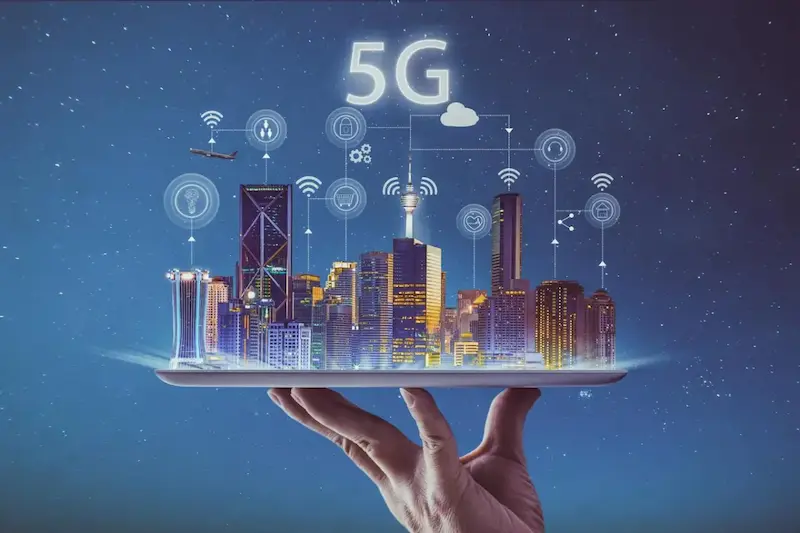
Connection Between Your Device and the Cell Tower
When you use your smartphone to open a website, stream a video, or send a message, your device sends digital signals through radio waves. These signals travel wirelessly to the nearest 5G small cell or tower. The tower acts as a bridge between your device and the main network system. How 5G Technology Works
Role of Radio Waves
5G uses advanced radio frequencies to transmit data quickly and efficiently. Your phone converts information into digital signals, and those signals are carried through the air using radio waves. Because 5G uses multiple frequency bands, it can deliver both wide coverage and very high speeds depending on the location.
The 5G Core Network
After the cell tower receives your data, it sends it to the 5G core network. The core network is the central system that manages traffic, security, and data routing. It decides where the information should go and ensures that it reaches the correct server on the internet. The core network is more advanced than previous generations and is built to handle large amounts of data efficiently.
Fiber-Optic Backbone
The 5G core network connects to the internet using high-speed fiber-optic cables. These cables allow data to travel extremely fast over long distances. This strong backbone infrastructure is one reason why 5G can support faster downloads and smoother streaming. How 5G Technology Works
Low Latency and Faster Response
One of the biggest advantages of 5G is low latency. Latency is the delay between sending a request and receiving a response. With 5G, this delay is reduced to just a few milliseconds. Technologies like Massive MIMO and beamforming help make the connection more direct and efficient, which improves speed and responsiveness.
Edge Computing
5G also uses edge computing, which means some data is processed closer to the user instead of being sent to distant data centers. This reduces delay even further and improves performance for applications that need instant responses, such as online gaming, smart vehicles, and remote healthcare. How 5G Technology Works
In simple terms, 5G data transmission works by sending signals from your device to a nearby cell tower, then through an advanced core network connected by fiber-optic infrastructure, and finally to the internet. This smart and efficient system delivers faster speeds, lower delay, and better reliability than older mobile networks.
Key Features of 5G Technology
Ultra-Fast Internet Speeds
5G provides much higher download and upload speeds compared to 4G. It can reach speeds of up to 10 Gbps under ideal conditions. This means you can stream HD and 4K videos, download large files, and use cloud-based applications almost instantly. How 5G Technology Works
Low Latency
Latency is the time it takes for data to travel from your device to the server and back. 5G reduces latency to as low as 1 millisecond, making real-time activities like online gaming, video calls, and remote surgery more responsive and smooth.
Massive Device Connectivity
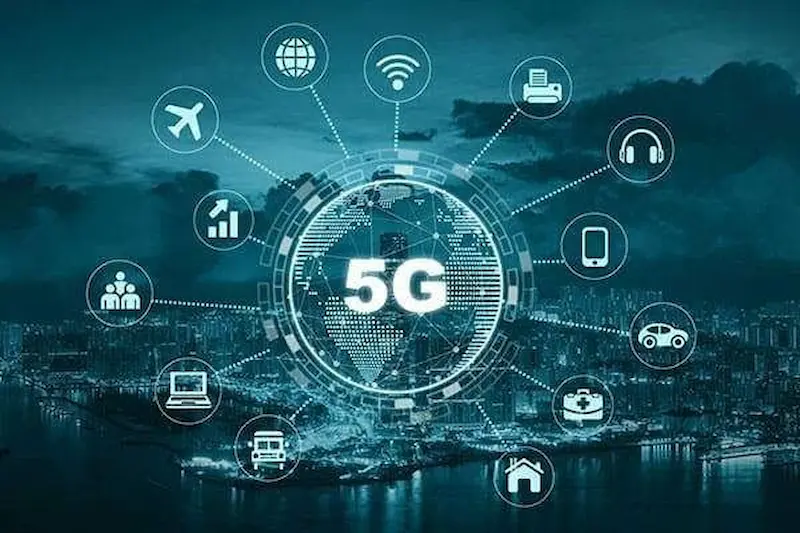
5G can support millions of devices per square kilometer. This makes it perfect for smart cities, IoT devices, and industrial automation, where thousands of sensors and machines need to communicate simultaneously without slowing down the network. How 5G Technology Works
Improved Reliability
5G offers more stable and consistent connections than previous generations. Even in crowded areas such as stadiums, airports, or city centers, 5G maintains strong signal strength and fast speeds for all users.
Network Slicing
5G allows operators to create virtual “slices” of the network. Each slice can be customized for different needs, such as high-speed internet for smartphones, low-latency connections for autonomous cars, or secure networks for hospitals and businesses. How 5G Technology Works
Enhanced User Experience
With faster speeds, lower latency, and better connectivity, 5G improves the overall user experience. Streaming, gaming, video conferencing, and smart device usage become smoother and more reliable, enabling new technologies and applications to work efficiently. How 5G Technology Works
What is 5G?
5G is the fifth generation of mobile network technology. It is faster, more reliable, and can connect more devices than previous generations like 4G.
Do I need a new phone for 5G?
Yes, to use 5G, your device must support 5G technology. Most modern smartphones released in the last few years come with 5G capability.
How fast is 5G compared to 4G?
5G can be up to 10 times faster than 4G. While 4G speeds are usually 20–100 Mbps, 5G can reach speeds of 1–10 Gbps under ideal conditions.
Conclusion
5G technology is the fifth generation of mobile networks, designed to provide faster internet speeds, lower latency, and more reliable connections than previous generations. By using advanced frequency bands, small cell technology, Massive MIMO, beamforming, and network slicing, 5G can handle millions of devices simultaneously and support new applications that were not possible with 4G.
This technology is not just about speed—it is a foundation for the future. It enables smart cities, autonomous vehicles, remote healthcare, industrial automation, and the Internet of Things. With 5G, online experiences like streaming, gaming, and video calls become smoother and more responsive, while industries can adopt more advanced and efficient systems.
Although 5G deployment faces challenges such as high infrastructure costs and limited coverage in some areas, its benefits outweigh these limitations. As 5G networks continue to expand globally, they will transform how we connect, communicate, and interact with technology in our everyday lives.