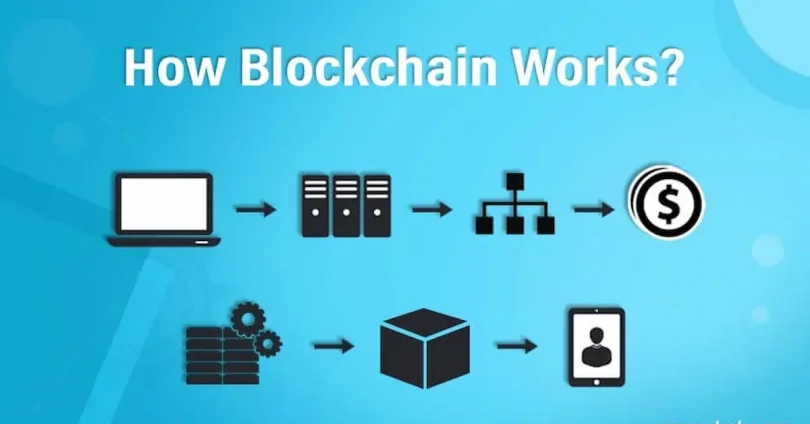

Blockchain is a powerful and innovative technology that is transforming the way we store and share information. At its core, blockchain is a digital system for recording data in a way that is secure, transparent, and decentralized. Unlike traditional systems where one central authority controls the data, blockchain distributes information across a network of computers around the world. how blockchain works
Blockchain is a modern technology that allows information to be stored in a secure, transparent, and decentralized way. Instead of keeping data in one central place like a traditional bank or company server, blockchain spreads information across a network of computers. This makes it safer and harder to manipulate.
What Is Blockchain?
Blockchain is a digital ledger technology that records information in a secure, transparent, and decentralized way. It stores data in blocks, and these blocks are linked together in a chain — which is why it is called blockchain.
In simple terms, blockchain is like a shared online notebook where transactions are written down permanently. Once information is added, it cannot be easily changed or deleted.
Breaking Down the Word “Blockchain”
The word “blockchain” has two parts:
- Block – A block stores data, such as transaction details.
- Chain – Blocks are connected in order, forming a continuous chain.
Each new block contains:
- Transaction data
- A timestamp
- A unique code called a hash
- The hash of the previous block
This connection makes the system secure and tamper-resistant.
How Is Blockchain Different from Traditional Systems?
In traditional systems, a central authority (like a bank or company) controls the database. For example, when you send money through a bank, the bank verifies and records the transaction.
With blockchain, there is no single central authority. Instead, a network of computers (called nodes) verifies and stores the data. This system is known as decentralization. how blockchain works
Why Blockchain Is Secure
Blockchain uses advanced cryptography to protect information. Because every block is linked to the previous one, changing one block would require changing all the blocks after it — which is extremely difficult.
This is why cryptocurrencies like Bitcoin rely on blockchain technology to ensure secure and transparent transactions. how blockchain works
Simple Definition
To put it simply:
Blockchain is a secure digital system that records transactions in connected blocks and shares them across a network, making the data transparent and almost impossible to alter.
It is not just about digital money — blockchain can be used for contracts, records, supply chains, healthcare data, and much more. how blockchain works
you may also like to read these posts;
What is Machine Learning: Types, Applications & Benefits Explained
How 5G Technology Works: Speed, Features & Benefits Explained
What is Artificial Intelligence: A Simple Beginner’s Guide
Electronics Buying Tips: How to Choose the Best Devices
Key Components of Blockchain
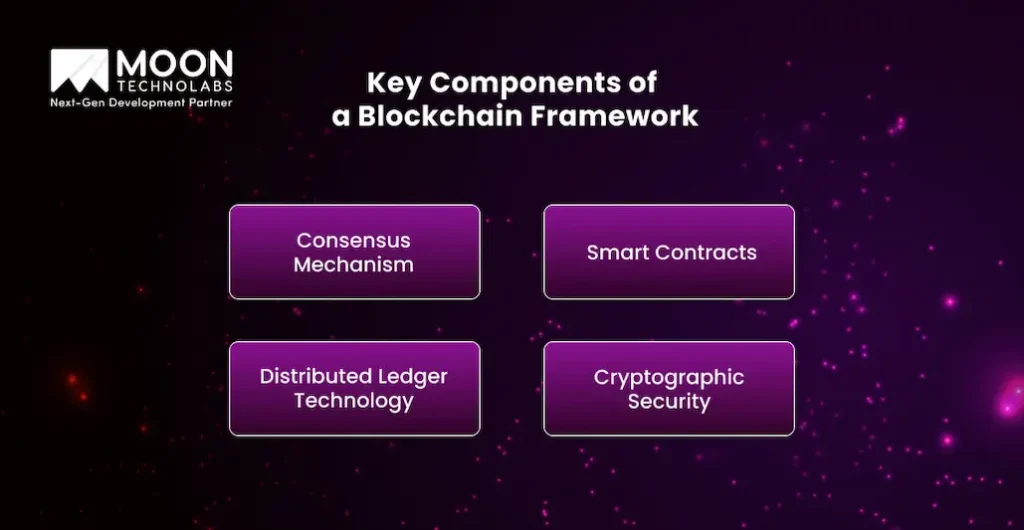
To understand how blockchain works, it is important to know the main components that make up the system. These elements work together to create a secure, transparent, and decentralized network.
Blocks
A block is a digital container that stores information. Each block holds transaction data, a timestamp, a unique code called a hash, and the hash of the previous block. Blocks are connected in order, forming a continuous chain. Once a block is added to the blockchain, it becomes very difficult to change or remove it.
Transactions
A transaction is any action recorded on the blockchain. It can be sending cryptocurrency, recording a contract, or storing important information. For example, when someone sends Bitcoin to another person, that transfer is permanently recorded on the blockchain network.
Nodes
Nodes are computers connected to the blockchain network. They store copies of the blockchain and help verify transactions. Since many nodes exist around the world, no single person or organization controls the system. This decentralized structure increases security and trust.
Hash
A hash is a unique digital code created using cryptography. It works like a fingerprint for each block. Even a small change in the block’s data will completely change its hash. This feature protects the blockchain from tampering and fraud.
Miners
Miners are participants in the blockchain network who verify transactions and add new blocks to the chain. They solve complex mathematical problems to secure the network. In systems like Bitcoin, miners are rewarded with cryptocurrency for their work.
Public and Private Keys
Blockchain uses cryptographic keys to protect user accounts. A public key works like an account number that others can use to send funds. A private key works like a password and must be kept secret. These keys ensure that only the rightful owner can access and manage their digital assets.
All these components work together to make blockchain secure, transparent, and reliable for digital transactions and data storage.
How Blockchain Works (Step-by-Step Process)
Blockchain is a secure and transparent system, and understanding how it works can seem complex at first, but it’s simpler when broken down step by step. Every transaction goes through a sequence of actions to ensure it is valid and permanent.
Transaction Is Created
A blockchain process starts when someone initiates a transaction. This could involve sending cryptocurrency, signing a digital contract, or recording any type of important data. For example, when a user sends Bitcoin to another person, a transaction request is generated and prepared for verification. how blockchain works
Transaction Is Broadcast to the Network
After the transaction is created, it is sent to a network of computers known as nodes. These nodes are distributed globally, and each node receives the transaction information to begin the verification process. Broadcasting ensures that multiple participants have access to the transaction details, which helps maintain transparency. how blockchain works
Transaction Verification
Nodes validate the transaction by checking several factors. They confirm that the sender has sufficient funds, verify the digital signatures, and ensure the transaction complies with the network rules. In systems like Bitcoin, this verification uses a consensus mechanism, such as Proof of Work or Proof of Stake, to guarantee accuracy. Only transactions that pass this verification move forward. how blockchain works
Block Creation
Verified transactions are grouped together to form a new block. Each block contains multiple transactions, a timestamp, a unique identifier called a hash, and the hash of the previous block. The connection between blocks ensures the integrity of the entire blockchain. how blockchain works
Block Is Added to the Blockchain
Once a block is complete, it is added to the existing blockchain in chronological order. Each block references the previous block’s hash, creating a secure chain of records. Any attempt to change a block would break the chain, making it extremely difficult to alter past data. how blockchain works
Transaction Confirmation
After the block is added, the transaction is officially recorded on the blockchain. The updated blockchain is shared across all nodes in the network. This ensures that everyone in the network has the same version of the ledger, maintaining transparency and trust.
Why This Process Matters
The step-by-step process makes blockchain highly secure, transparent, and decentralized. Unlike traditional systems where a single authority manages data, blockchain relies on multiple nodes to validate and record information. This structure prevents fraud, reduces errors, and allows users to transact directly without needing a middleman. how blockchain works
Real-Life Example
Imagine Ali sends 1 Bitcoin to Ahmed. The transaction is created and broadcast to the network. Nodes verify that Ali has enough balance and that the transaction is valid. Once confirmed, the transaction is grouped into a block. The block is added to the blockchain, making the transaction permanent. Ahmed now receives the Bitcoin, and the record is stored securely across thousands of computers worldwide.
This step-by-step system is what makes blockchain revolutionary for finance, business, healthcare, supply chains, and more. It combines security, transparency, and efficiency in a way traditional systems cannot match. how blockchain works
What Is Decentralization?
Decentralization is a core principle of blockchain technology. It refers to the way control and data storage are spread across a network, rather than being managed by a single person, company, or organization. This distributed system is what makes blockchain secure, transparent, and resistant to tampering. how blockchain works
How Decentralization Works
In a traditional centralized system, like a bank or payment app, all data and decisions are controlled by one authority. If that central system is hacked, fails, or makes a mistake, users can lose money or access to information. In a decentralized blockchain, data is stored on thousands of computers called nodes. Each node has an identical copy of the blockchain. When a transaction occurs, nodes work together to verify it. Only after consensus is reached does the transaction become permanent. how blockchain works
Benefits of Decentralization
- Enhanced Security – Because data is distributed, hackers would need to attack thousands of nodes at once to change information, which is almost impossible.
- Transparency – Every participant can see the transactions on the blockchain, creating trust and accountability. how blockchain works
- Reliability – Even if some nodes go offline or fail, the network keeps functioning smoothly.
- No Middlemen Required – Users can send funds or record contracts directly without relying on banks, payment processors, or other intermediaries.
- Censorship Resistance – No single authority can block or alter transactions, making the system fair and open to everyone. how blockchain works
Real-Life Example
Think of a shared digital notebook used by a group of friends to track expenses. Instead of one person keeping the notebook, each friend has their own copy. Whenever someone writes a new entry, all copies are updated. If one person tries to cheat or erase something, it won’t work because the other copies hold the correct information. This is how decentralization ensures trust and accuracy in blockchain networks. how blockchain works
Decentralization in Action
Popular blockchain networks like Bitcoin and Ethereum are fully decentralized. They operate without a central authority, relying on thousands of nodes worldwide to validate transactions and maintain the ledger. This makes them highly secure and reliable compared to traditional financial systems. how blockchain works
Decentralization is the foundation of blockchain’s revolutionary power. It ensures fairness, security, transparency, and efficiency, allowing people to transact directly and confidently in a digital world. how blockchain works
What Is Blockchain Mining?
Blockchain mining is a fundamental process that keeps the blockchain network secure, verifies transactions, and adds new blocks to the chain. It is especially important in cryptocurrencies like Bitcoin and helps maintain trust in a decentralized system. Without mining, the blockchain would be vulnerable to fraud, errors, and manipulation. how blockchain works
How Mining Works
Mining works by using powerful computers to solve complex mathematical puzzles. These puzzles are part of the blockchain’s security protocol. When a miner successfully solves a puzzle, they confirm a batch of transactions, bundle them into a new block, and add it to the blockchain. how blockchain works
In Bitcoin, this process is called Proof of Work (PoW). Other blockchain systems may use different methods like Proof of Stake (PoS) or Delegated Proof of Stake (DPoS), but the goal is the same: to verify transactions and maintain a secure and reliable network. how blockchain works
Why Mining Is Important
- Transaction Verification – Mining ensures that all transactions are valid and follow network rules, preventing fraud or double-spending.
- Security – The mining process makes it extremely difficult for anyone to tamper with the blockchain. Changing a single block would require re-mining all subsequent blocks, which is practically impossible.
- Creating New Coins – In cryptocurrencies, miners are rewarded with new coins for their work. This is how new currency enters circulation.
- Maintaining Decentralization – Mining distributes control across many participants, ensuring no single entity can dominate the network.
Real-Life Analogy
Think of mining like a group of accountants verifying a ledger. Each accountant competes to solve a puzzle. The first to solve it records verified transactions into the ledger and earns a reward. Miners in blockchain networks perform a similar role, using computers instead of paper and solving mathematical problems instead of accounting puzzles. how blockchain works
Mining and Energy Consumption
Mining requires significant computing power, which consumes a lot of energy. This is one reason why Bitcoin mining, in particular, can be costly and resource-intensive. Some newer blockchains use Proof of Stake or other energy-efficient methods to reduce energy use while still keeping the network secure.
Mining Beyond Cryptocurrency
While mining is mostly associated with cryptocurrencies, it also plays a role in other blockchain applications. Any blockchain that requires transaction verification, data integrity, and network security may use mining or a similar consensus mechanism.
Blockchain mining is essential because it keeps the network trustworthy, prevents fraud, enables the creation of new digital assets, and ensures the blockchain remains decentralized and secure. It is the backbone that allows blockchain technology to function reliably across industries like finance, healthcare, supply chains, and more.
What is blockchain in simple words?
Blockchain is a secure and transparent digital ledger that records transactions across a network of computers. Once information is added, it cannot be easily changed, making the system reliable and tamper-proof.
How does blockchain work?
Blockchain works by verifying transactions through a network of computers (nodes). Verified transactions are grouped into blocks, which are added to a chain of previous blocks. This step-by-step process ensures security, transparency, and decentralization.
Is blockchain only used for cryptocurrency?
No. While blockchain is widely known because of cryptocurrencies like Bitcoin and Ethereum, it is also used in supply chain management, healthcare, voting systems, digital contracts, real estate, and many other industries.
Conclusion
Blockchain is a revolutionary technology that is changing the way we store, share, and verify information. By using a decentralized network of computers, secure cryptography, and connected blocks of data, blockchain ensures that transactions are transparent, reliable, and tamper-proof.
It started with cryptocurrencies like Bitcoin and platforms like Ethereum, but today blockchain is being used in many industries including finance, healthcare, supply chain management, real estate, and even voting systems.
The key features of blockchain—decentralization, mining, and smart contracts—make it secure, efficient, and trustworthy. While it has challenges like energy consumption and technical complexity, its benefits far outweigh the drawbacks.