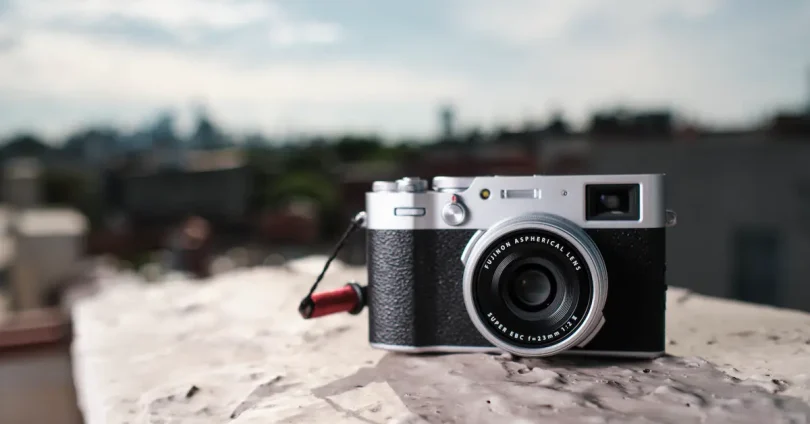

Buying a camera today is not as simple as it used to be. There are many brands, models, and features available, and each one promises the best quality. From DSLR to mirrorless and compact cameras, the options can feel overwhelming. That’s why reading detailed camera reviews is so important before making a decision.
In this guide, we will help you understand which camera is best for your needs and budget. Whether you are a beginner, a travel lover, a content creator, or a professional photographer, choosing the right camera can make a big difference in your photos and videos. camera reviews
This camera reviews article will explain different types of cameras, important features to look for, and the best options available today. By the end of this guide, you will have a clear idea of which camera is perfect for you.
Types of Cameras Explained
Understanding different camera types is very important when reading camera reviews because each type is designed for different users and purposes. Some cameras are perfect for beginners, while others are made for professionals who need advanced features and high performance. Below are the main types of cameras you should know before making a purchase decision.
DSLR Cameras
DSLR stands for Digital Single-Lens Reflex. These cameras use a mirror system and optical viewfinder to show you exactly what the lens sees. DSLR cameras are known for their strong build quality, long battery life, and excellent image performance. They are a great choice for beginners and hobby photographers who want manual controls and the ability to change lenses. However, they are usually bigger and heavier compared to modern mirrorless cameras.
Mirrorless Cameras
Mirrorless cameras are newer and more advanced. As the name suggests, they do not use a mirror system, which makes them smaller and lighter. They offer fast autofocus, excellent video quality, and modern features like eye detection and real-time tracking. Mirrorless cameras are popular among vloggers, YouTubers, and travel photographers. Although they may have shorter battery life compared to DSLRs, they provide impressive performance in a compact body.
Compact (Point-and-Shoot) Cameras
Compact cameras are small, lightweight, and easy to use. They usually come with a fixed lens and automatic settings, making them ideal for casual users. These cameras are affordable and convenient for everyday photography. However, they have limited manual controls and smaller sensors, which may affect image quality compared to DSLR or mirrorless options.
Action Cameras
Action cameras are small, durable, and built for adventure. They are designed to capture wide-angle videos and photos in extreme conditions like underwater, hiking, or sports activities. These cameras are lightweight and often waterproof, making them perfect for travel and outdoor lovers. However, they are not ideal for professional photography or portrait shots.
Knowing these different types will help you understand camera reviews better and choose the right camera based on your needs, budget, and photography goals.
you may also like to read these posts;
What is Machine Learning: Types, Applications & Benefits Explained
How 5G Technology Works: Speed, Features & Benefits Explained
How Blockchain Works: Simple and Clear Guide
What is Artificial Intelligence: A Simple Beginner’s Guide
Electronics Buying Tips: How to Choose the Best Devices
Best Cameras for Different Needs
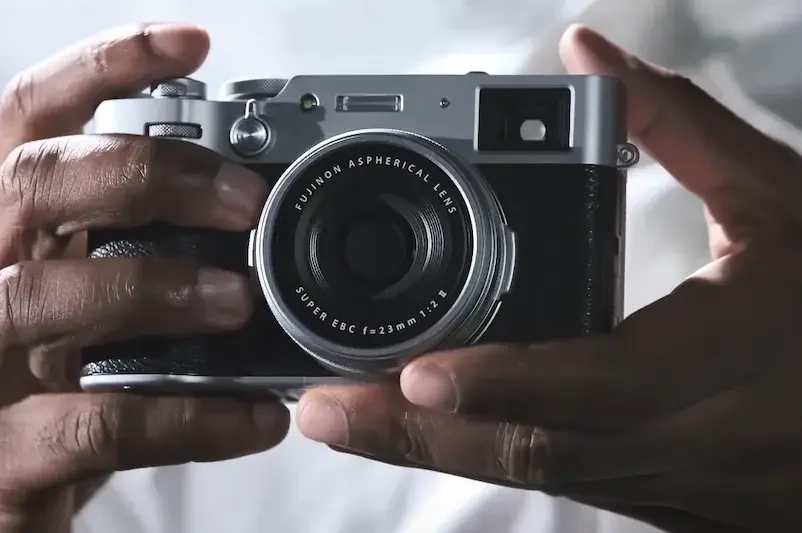
Choosing the right camera depends on how you plan to use it. Different cameras are designed for different purposes. Some are perfect for beginners, while others are built for professionals who need advanced features and high performance. Below are some of the best options based on different needs.
Best Camera for Beginners – Canon EOS 200D II
The Canon EOS 200D II is a great choice for beginners who want high image quality without complicated controls. It features a 24.1 MP sensor, 4K video recording, and a user-friendly menu system. The camera is lightweight and easy to carry, making it perfect for students and hobby photographers who are just starting out.
Best Camera for Vlogging and YouTube – Sony Alpha a6400
The Sony Alpha a6400 is highly recommended for vloggers and content creators. It offers fast autofocus with real-time eye tracking, sharp 4K video recording, and a flip screen for easy self-recording. Its compact size makes it ideal for travel and daily content creation. Camera Reviews
Best Travel Camera – Fujifilm X-T30 II
The Fujifilm X-T30 II is lightweight, stylish, and powerful. It delivers excellent image quality with beautiful color tones and supports 4K video. This camera is perfect for travelers who want professional-quality results without carrying heavy equipment.
Best Professional Camera – Nikon Z6 II
The Nikon Z6 II is designed for professionals who need advanced performance. It features a 24.5 MP full-frame sensor, strong low-light capabilities, fast processing speed, and professional video features. It is ideal for weddings, events, and commercial photography projects. Camera Reviews
Each of these cameras serves a different purpose. By understanding your needs and budget, you can choose the right camera that matches your photography or video goals. Camera Reviews
Important Features to Consider Before Buying a Camera
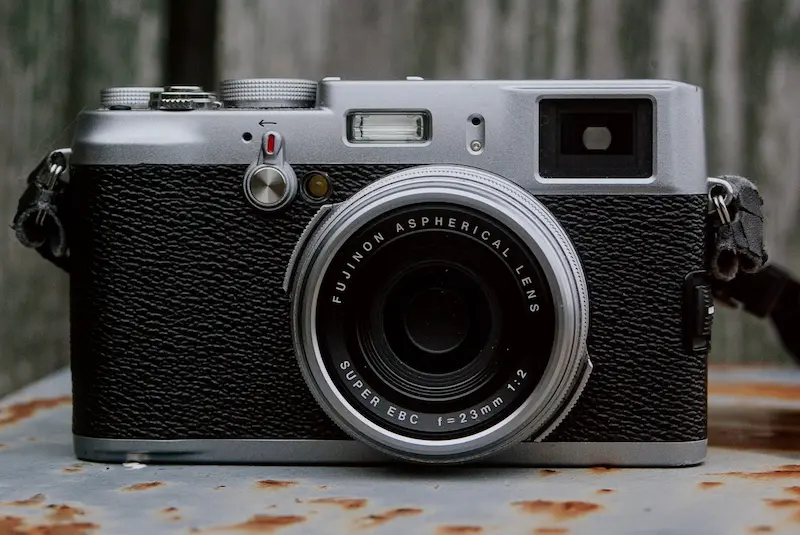
Choosing the right camera isn’t just about the brand or price. Understanding the technical features ensures you get a camera that matches your needs and style. Here are the most important things to look for when reading camera reviews.
Sensor Size
The sensor is the heart of your camera and has the biggest impact on image quality. Larger sensors capture more light, which helps produce sharper photos with better detail and richer colors. Full-frame sensors are common in professional cameras, offering excellent low-light performance and shallow depth of field for stunning portraits. APS-C sensors are slightly smaller but still deliver high-quality images and are more budget-friendly. Micro Four Thirds sensors are compact and lightweight, perfect for travel, though they may have slightly lower low-light performance. When reading camera reviews, check the sensor type carefully to know if it fits your photography goals. Camera Reviews
Megapixels
Megapixels determine the resolution of your images. While it’s tempting to think higher megapixels always mean better quality, it’s not always true. Most cameras today offer between 20–26 megapixels, which is enough for printing photos, social media, and general use. Extremely high megapixels (40–50 MP+) are usually only necessary for professional photographers who print large posters or need high detail for commercial work. Always balance megapixels with sensor quality, because a larger sensor with moderate megapixels often produces better images than a small sensor with extremely high megapixels. Camera Reviews
Video Quality
Video capability has become crucial, especially for vloggers, YouTubers, and social media creators. Cameras now offer 4K recording, which provides sharper video than traditional 1080p. Some advanced cameras also support 6K or 8K video. Check for frame rates like 24fps, 30fps, or 60fps depending on your content needs. Some cameras also offer slow-motion modes for creative video shots. If you plan to create videos professionally, features like microphone input, headphone output, and in-body image stabilization (IBIS) are worth considering. Camera Reviews
Autofocus System
A camera’s autofocus system determines how fast and accurately it can focus on subjects. Fast and precise autofocus is critical for action, wildlife, sports, or moving subjects. Look for features like eye detection, face detection, tracking autofocus, and continuous AF in camera reviews. Mirrorless cameras often excel in this area, providing real-time autofocus tracking that DSLR cameras may struggle with. For beginners, even basic autofocus systems with reliable accuracy can make shooting much easier.
Battery Life
Battery life is often overlooked but can make a huge difference, especially if you travel, attend events, or shoot outdoors. DSLR cameras tend to have longer battery life because they use optical viewfinders, while mirrorless cameras may need extra batteries for long sessions due to electronic viewfinder use. Always check how many shots per charge a camera can deliver. If you plan long outdoor trips or video recording, consider cameras that support USB charging or carry spare batteries.
Lens Compatibility
For cameras with interchangeable lenses, lens options are a major factor. A camera with a wide range of lenses—wide-angle, telephoto, macro, and prime—allows you to explore different photography styles. Also, consider the cost and availability of lenses for future upgrades. If you buy a camera now, you want the freedom to expand your kit as your skills grow. Camera Reviews
Build Quality and Design
Build quality affects both durability and comfort. Cameras with weather sealing are ideal for shooting in rain, snow, or dusty environments. A good grip, intuitive controls, and a responsive touchscreen can make your shooting experience easier and more enjoyable. Lightweight cameras are better for travel, but heavier cameras can feel more stable for professional use. Camera Reviews
Image Stabilization
In-body image stabilization (IBIS) or lens stabilization reduces blur caused by hand movement, which is especially useful in low-light conditions or while recording video. Some cameras have stabilization in the lens instead of the body, so it’s important to check reviews for how effective it is. Camera Reviews
Connectivity Features
Modern cameras often include Wi-Fi, Bluetooth, or USB-C connectivity. This allows you to transfer photos to your phone or computer quickly, control the camera remotely, or even stream live video. For content creators, good connectivity can save time and improve workflow.
Additional Features to Look For
- Touchscreen and Articulating Screen: Helpful for selfies, vlogging, and composing shots at difficult angles
- Weather Sealing: Protects against rain, dust, and humidity
- Dual Card Slots: Useful for professionals who want backup storage during shoots
- Customizable Buttons: Makes it faster to access frequently used settings
By understanding these features, you can read camera reviews more confidently and know exactly what each model offers. This helps you make a smart decision without getting overwhelmed by technical jargon or marketing claims.
Which camera is best for beginners?
For beginners, cameras like the Canon EOS 200D II or Nikon D3500 are ideal. They are easy to use, lightweight, and offer excellent image quality without overwhelming settings. These cameras also allow you to learn photography gradually while still producing professional-looking results.
Should I choose a DSLR or mirrorless camera?
DSLRs are great for durability, long battery life, and a wide range of lenses. Mirrorless cameras are lighter, more compact, and offer faster autofocus and better video features. If you prioritize portability and modern technology, mirrorless is often the better choice.
What camera is best for vlogging or YouTube?
Mirrorless cameras with flip screens are best for content creators. The Sony Alpha a6400, Canon EOS M50 Mark II, and Panasonic Lumix G100 are popular options. Look for fast autofocus, good low-light performance, and 4K video capability.
Conclusion
Choosing the right camera can feel overwhelming, but understanding your needs, budget, and the key features of different camera types makes it much easier. Whether you are a beginner looking for your first DSLR, a vlogger needing a mirrorless camera with a flip screen, a traveler wanting a compact and lightweight option, or a professional seeking a full-frame powerhouse, there is a perfect camera for you.
Always read detailed camera reviews before making a purchase to compare features like sensor size, autofocus, video quality, battery life, and lens compatibility. Consider what matters most for your photography or videography goals and choose a camera that fits your style and workflow. Investing time in research ensures that your camera will help you capture stunning photos and videos for years to come.
Start exploring the cameras that match your needs today, and take the first step toward capturing memories like a pro.